
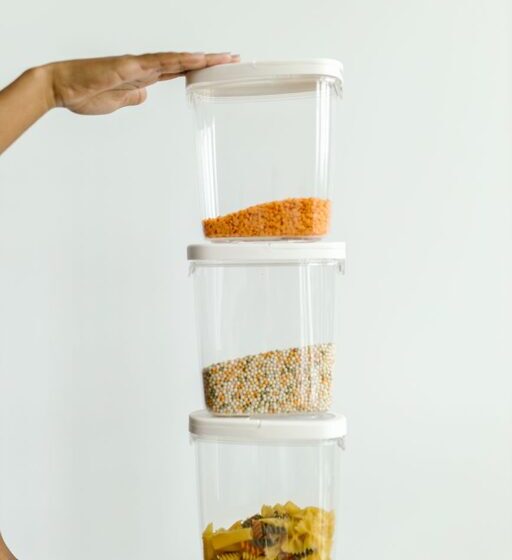

Planning meals around pantry staples is a smart way to make cooking easier, reduce grocery trips, and minimize food waste. Your pantry likely holds a variety of versatile ingredients that can be transformed into tasty, nutritious meals with a little creativity and planning.
In this post, we’ll explore how to effectively plan meals using pantry staples. You’ll learn how to organize your pantry, choose staple ingredients, and create meal ideas that are both satisfying and simple.
Why Use Pantry Staples for Meal Planning?
Using pantry staples to plan meals comes with several benefits:
– Convenience: Having staples on hand means you can whip up meals quickly without needing to run to the store.
– Cost-effective: Pantry staples are often inexpensive and can be bought in bulk.
– Less waste: Cooking with what you already have reduces food spoilage.
– Flexibility: Many staples are versatile and work in a variety of dishes.
Step 1: Take Inventory of Your Pantry
Before planning meals, start by taking stock of what you have. Look for:
– Canned goods (beans, tomatoes, vegetables)
– Grains (rice, pasta, quinoa)
– Baking essentials (flour, sugar, baking powder)
– Oils and vinegars
– Spices and seasonings
– Shelf-stable snacks and nuts
– Broths and sauces
Write down the quantities and expiration dates. This will help you know what to prioritize and what you might need to replenish.
Step 2: Organize Your Pantry for Easy Access
A well-organized pantry makes meal planning much easier. Here are some tips:
– Group similar items together (e.g., all canned goods in one area)
– Place frequently used staples at eye level
– Use clear containers for items like rice, flour, and sugar
– Label shelves or containers for quick identification
When your pantry is organized, you can quickly see what’s available and plan meals accordingly.
Step 3: Build a List of Pantry Staples to Keep Stocked
While your pantry will vary depending on preferences and dietary needs, these items are good staples to have on hand:
– Dry goods: rice, pasta, lentils, beans, oats
– Canned goods: tomatoes, beans, coconut milk, broth
– Baking supplies: flour, sugar, baking powder, yeast
– Oils and fats: olive oil, vegetable oil, butter (if refrigerated)
– Condiments: soy sauce, vinegar, mustard, honey
– Spices: salt, pepper, garlic powder, paprika, cumin, dried herbs
Stocking these basics helps ensure you have the foundation for many recipes.
Step 4: Plan Your Meals Around These Staples
Create a Weekly Meal Plan
Using your inventory and staples list, plan meals for the week. Here’s how:
- **Choose a protein source:** Beans, lentils, canned tuna, or eggs (if you have them)
- **Pick a grain or starch:** Rice, pasta, quinoa, or potatoes
- **Add flavor and nutrition:** Use canned tomatoes, spices, and any fresh or frozen vegetables you have
- **Mix and match:** Combine ingredients in different ways to keep meals interesting
Example Meal Ideas Using Pantry Staples
– Pasta with tomato sauce and herbs: Use canned tomatoes, olive oil, garlic powder, and dried basil.
– Bean chili: Combine canned beans, canned tomatoes, spices like cumin and chili powder.
– Rice and lentil pilaf: Cook rice and lentils together with onions, broth, and seasonings.
– Tuna salad: Mix canned tuna with olive oil, vinegar, mustard, and serve over rice or bread.
– Oatmeal with nuts and honey: Use oats for a filling breakfast or snack.
Step 5: Supplement with Fresh or Frozen Ingredients
While pantry staples form the base of your meals, adding fresh or frozen produce can enhance nutrition and flavor. Frozen vegetables, in particular, are convenient and have a long shelf life.
Try to include items like onions, garlic, leafy greens, or carrots when you can—they complement pantry staples without requiring frequent trips to the store.
Step 6: Use Recipes and Online Resources for Inspiration
If you’re unsure how to combine pantry items, look for budget-friendly or pantry-based recipes online. Websites and apps often allow you to enter ingredients you have and suggest recipes accordingly. This can help you enjoy variety and avoid meal boredom.
Step 7: Batch Cook and Store for Future Meals
Cooking larger portions and storing leftovers can save time and effort. Prepare soups, stews, or casseroles using pantry staples, then freeze or refrigerate portions for quick meals later.
Tips to Make Pantry Meal Planning Successful
– Rotate staples: Use older items first and replenish regularly.
– Keep a running grocery list: Note when you run low on key staples.
– Experiment: Don’t be afraid to try new combinations or spices.
– Label leftovers: Keep track of what’s stored and when it was made.
Final Thoughts
Planning meals from pantry staples is practical and rewarding. With a well-stocked and organized pantry, you can create delicious meals with ease, reduce waste, and save money. The key is to know what you have, choose versatile ingredients, and stay flexible with your meal ideas.
Start today by checking your pantry and planning one meal based on what you find—you might be surprised at how creative and tasty your meals can be!