
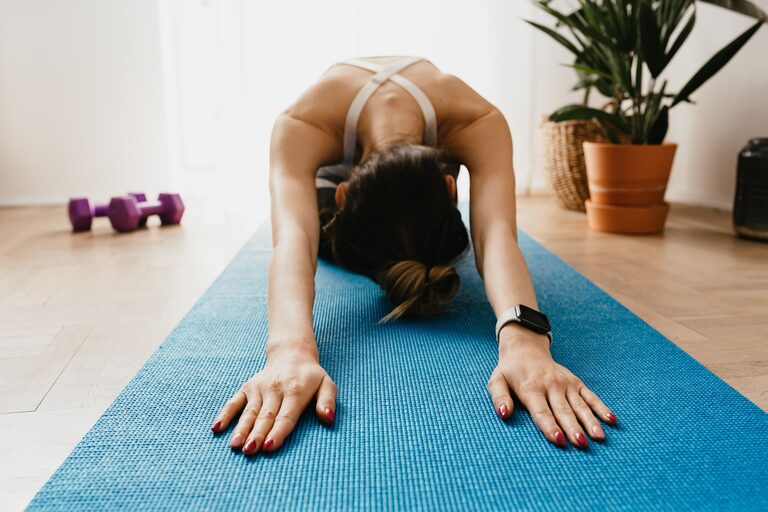

Stretching is a simple and accessible way to improve your flexibility, relieve muscle tension, and boost overall well-being — all from the comfort of your home. Whether you’re new to stretching or returning after a break, this guide will help you develop a safe and effective routine that fits your lifestyle.
Why Stretching Matters
Stretching is more than just a warm-up or cool-down. It helps maintain the health of your muscles and joints by:
– Increasing blood flow and oxygen to muscles
– Improving range of motion
– Preventing injury and muscle stiffness
– Reducing stress and promoting relaxation
Getting started with stretching can make everyday movements easier and reduce discomfort caused by prolonged sitting, exercise, or poor posture.
Preparing to Stretch at Home
Before you begin, keep these tips in mind:
– Choose the right space: Find a quiet, comfortable area with enough room to move freely. A yoga mat or carpeted floor works well.
– Wear comfortable clothing: Opt for stretchy clothes that don’t restrict movement.
– Hydrate: Drink water before and after stretching to keep muscles hydrated.
– Warm up: Stretching cold muscles can lead to injury. Do a light warm-up like marching in place or gentle walking for 3-5 minutes before stretching.
Basic Types of Stretching
Static Stretching
This involves holding a stretch for 15-60 seconds without movement. It’s great for increasing flexibility and is best done after warming up or at the end of a workout.
Dynamic Stretching
Dynamic stretches are controlled, smooth movements that gently take your muscles through their full range of motion. They help prepare your body for physical activity and improve mobility.
For beginners, starting with static stretches is an excellent way to build flexibility safely.
Beginner-Friendly Stretching Routine
Try this simple routine 3-4 times a week. Hold each static stretch for 20-30 seconds and repeat 2-3 times on each side as needed.
1. Neck Stretch
– Sit or stand tall.
– Slowly tilt your head toward your right shoulder until you feel a gentle stretch on the left side of your neck.
– Hold, then switch sides.
2. Shoulder Stretch
– Bring your right arm across your chest.
– Use your left hand to gently press your right arm closer to your body.
– Hold, then switch sides.
3. Chest Opener
– Clasp your hands behind your back.
– Straighten your arms and lift your chest while squeezing your shoulder blades together.
– Hold and breathe deeply.
4. Cat-Cow Stretch (Dynamic option)
– Get on hands and knees.
– Arch your back as you exhale (Cat pose).
– Lower your belly and lift your head and tailbone as you inhale (Cow pose).
– Repeat 5-8 times.
5. Seated Forward Bend
– Sit on the floor with legs extended.
– Gently reach toward your toes, keeping your back straight.
– Stop when you feel a stretch in your hamstrings.
– Hold and breathe.
6. Quadriceps Stretch
– Stand and hold onto a chair or wall for balance.
– Grab your right ankle behind you and pull it toward your buttocks.
– Keep knees close together.
– Hold, then switch legs.
7. Calf Stretch
– Stand facing a wall.
– Place your hands on the wall.
– Step one foot back, keeping it flat on the floor.
– Lean forward to stretch the calf of the back leg.
– Hold, then switch legs.
Tips for Safe Stretching
– Avoid bouncing: Stretch slowly and steadily to prevent muscle strain.
– Listen to your body: Stretch to the point of mild tension, not pain.
– Breathe evenly: Deep, steady breathing helps muscles relax.
– Be consistent: Flexibility improves gradually with regular practice.
– Modify as needed: If you have any injuries or health concerns, consult a professional and adapt stretches accordingly.
Benefits Beyond Flexibility
Stretching regularly can also:
– Improve posture and balance
– Reduce muscular soreness after exercise
– Promote relaxation and reduce stress
– Boost circulation and energy levels
When to Stretch
– After warming up your muscles
– Following exercise to prevent stiffness
– During breaks if you sit for long periods
– Anytime you feel tightness or tension in your muscles
Final Thoughts
Stretching at home is a low-cost, convenient way to enhance your physical health and mental well-being. Starting with simple stretches and progressing gradually helps build a lasting habit that supports your daily activities and long-term fitness.
Remember, the key to success is consistency and paying attention to your body’s signals. So roll out your mat, breathe deeply, and enjoy the benefits of stretching from your own home!
—
Feel free to share your favorite stretches or questions in the comments below!